
Exploring how cultural differences shape casino experiences around the world
The Influence of Culture on Gambling Norms
Cultural differences significantly shape gambling norms and expectations, influencing how individuals approach casino experiences worldwide. In some cultures, gambling is a revered tradition, steeped in history and social customs, while in others, it may be frowned upon or even prohibited. For instance, countries like Japan integrate gambling into their festivals and community gatherings, showcasing its role as a communal activity rather than merely a chance for profit. This cultural acceptance fosters an environment where people feel comfortable engaging in gambling activities. If you’re interested in joining such experiences, you can learn more at https://melbet-app-online.com/.
Conversely, in regions where gambling is viewed negatively, such as some Middle Eastern countries, casinos operate under strict regulations and may even be illegal. In these contexts, the stigma attached to gambling affects how individuals perceive and engage with any available gaming activities. For instance, casinos in these areas may have a more subdued atmosphere, tailored to a clientele that is either reluctant or anxious about participating in gambling. Such cultural perspectives can create a divide in experiences, making some casinos feel more welcoming than others.
The etiquette surrounding gambling also varies significantly across cultures. In many Western casinos, a casual approach is common, with players often engaging in conversation and socializing at the tables. Meanwhile, in East Asian cultures, there may be more formal expectations, such as silence during play or specific rituals before placing bets. Understanding these nuances is crucial for players seeking a respectful and enjoyable casino experience, as navigating local customs can greatly enhance their overall enjoyment.
Diverse Casino Designs and Atmospheres
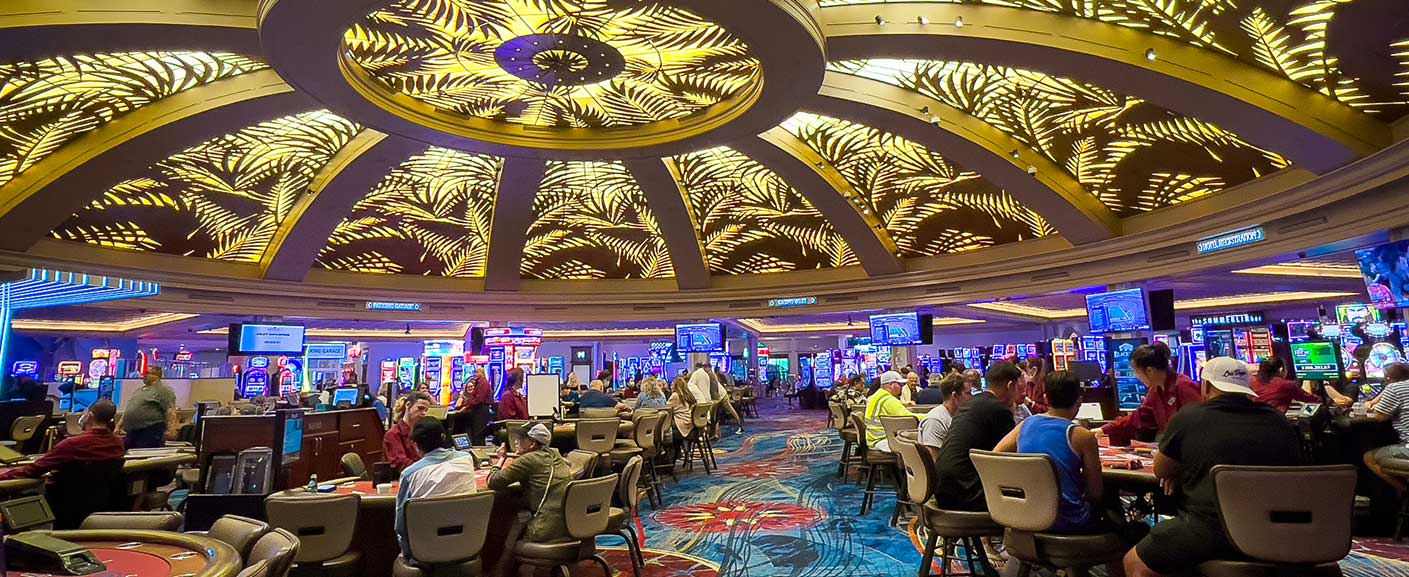
The physical design and atmosphere of casinos can also be heavily influenced by cultural preferences. In Las Vegas, for example, casinos are designed to create an extravagant experience, filled with vibrant lights and loud music, reflecting the American ethos of entertainment and excess. These casinos aim to provide a sensory overload, encouraging patrons to stay longer and engage more fully with the gaming experience. The design encourages a sense of freedom and excitement, making it a unique global gambling hub.
In contrast, casinos in European cities like Monte Carlo often emphasize elegance and sophistication. The architecture, décor, and overall ambiance are crafted to evoke a sense of class and refinement, attracting a clientele that appreciates these aesthetic values. The design choices reflect the local culture, which often values tradition and luxury, resulting in a vastly different gambling environment compared to the exuberance of Las Vegas. Patrons here may dress more formally and conduct themselves with greater decorum, shaping the overall casino experience.
Similarly, in Asian casinos, especially those in Macau, there is a blend of modernity and tradition. The integration of cultural motifs and symbols into the casino design reflects a respect for local customs, such as feng shui principles that dictate spatial arrangement for optimal luck and prosperity. This careful consideration of cultural context creates a unique gaming atmosphere that appeals to local players while also attracting international tourists seeking a taste of the local flavor. The varied designs and atmospheres significantly affect players’ experiences, highlighting the rich tapestry of global gambling culture.
Cultural Differences in Gambling Strategies
The approach to gambling strategies is often shaped by cultural attitudes towards risk and chance. In Western cultures, particularly in the United States, there is a prevalent belief in individualism, which can lead to aggressive betting strategies and a willingness to take risks for potentially high rewards. This approach often results in a more dynamic gaming environment where players may embrace bold strategies and engage in high-stakes games, embodying the adventurous spirit that many associate with the American gambling experience.
On the other hand, in cultures such as Japanese or Chinese, the approach to gambling may be more conservative and calculated. Players often prioritize strategy and skill over chance, reflecting a cultural inclination towards meticulous planning and risk management. In these contexts, games such as poker may be approached with a deeper focus on skill rather than simply luck, resulting in a distinct style of play that can be more analytical and less impulsive. This cultural difference can significantly affect the dynamics at the gaming tables and the overall atmosphere of play.
Moreover, the communal aspect of gambling in many cultures encourages shared strategies and teamwork, particularly in games like mahjong or some traditional card games. This collective approach often leads to a different social experience at the tables, where players interact and engage with one another, fostering camaraderie. Understanding these cultural differences can enhance a player’s experience, offering insights into the motivations and strategies of fellow players while enriching the overall gambling landscape.
The Role of Technology in Global Casino Experiences
The rise of technology has transformed casino experiences around the world, with cultural preferences influencing how these advancements are integrated. In countries like the United States, online casinos have flourished, allowing players to engage in gambling from the comfort of their homes. This convenience aligns with American values of accessibility and instant gratification, shaping the gambling culture to prioritize ease and speed of play. Virtual casinos often replicate the excitement of physical locations, creating an immersive experience that appeals to a tech-savvy audience.
In contrast, some cultures may prefer the authenticity of physical casinos, viewing technology as a potential detraction from the social aspects of gambling. For example, in many Asian cultures, the experience of being in a bustling casino environment is integral to the enjoyment of gambling. As such, virtual offerings may not hold the same allure, leading to a preference for traditional, face-to-face interactions. This cultural inclination highlights the importance of personal connection and shared experiences, underscoring how technology’s role in gambling can vary dramatically across different regions.
Moreover, mobile gaming apps have become increasingly popular across the globe, but their adoption rates and functionalities differ based on cultural expectations and regulations. In regions where gambling is heavily regulated, such as parts of Europe, these apps may offer a limited range of games compared to more liberal markets, reflecting cultural attitudes towards gambling. As mobile technology continues to evolve, understanding these cultural nuances will be essential for operators looking to cater to diverse markets and provide engaging experiences that resonate with local players.
Discover Your Casino Experience with Melbet
At Melbet, we understand the diverse cultural influences that shape casino experiences across the globe. Our platform is designed to cater to players from different backgrounds, offering a wide range of games, from traditional card games to innovative slots. We believe that every player brings their unique perspective and expectations, and our goal is to provide an inclusive environment where everyone can enjoy their gaming journey.
Our user-friendly interface, combined with 24/7 customer support, ensures that players feel comfortable navigating our extensive offerings. By embracing cultural differences and fostering a community of players from various backgrounds, Melbet provides a rich and engaging casino experience that is both entertaining and respectful of individual preferences. Join us today and immerse yourself in a world of gaming that celebrates diversity and creativity.